Weitere Artikel, die Sie interessieren könnten
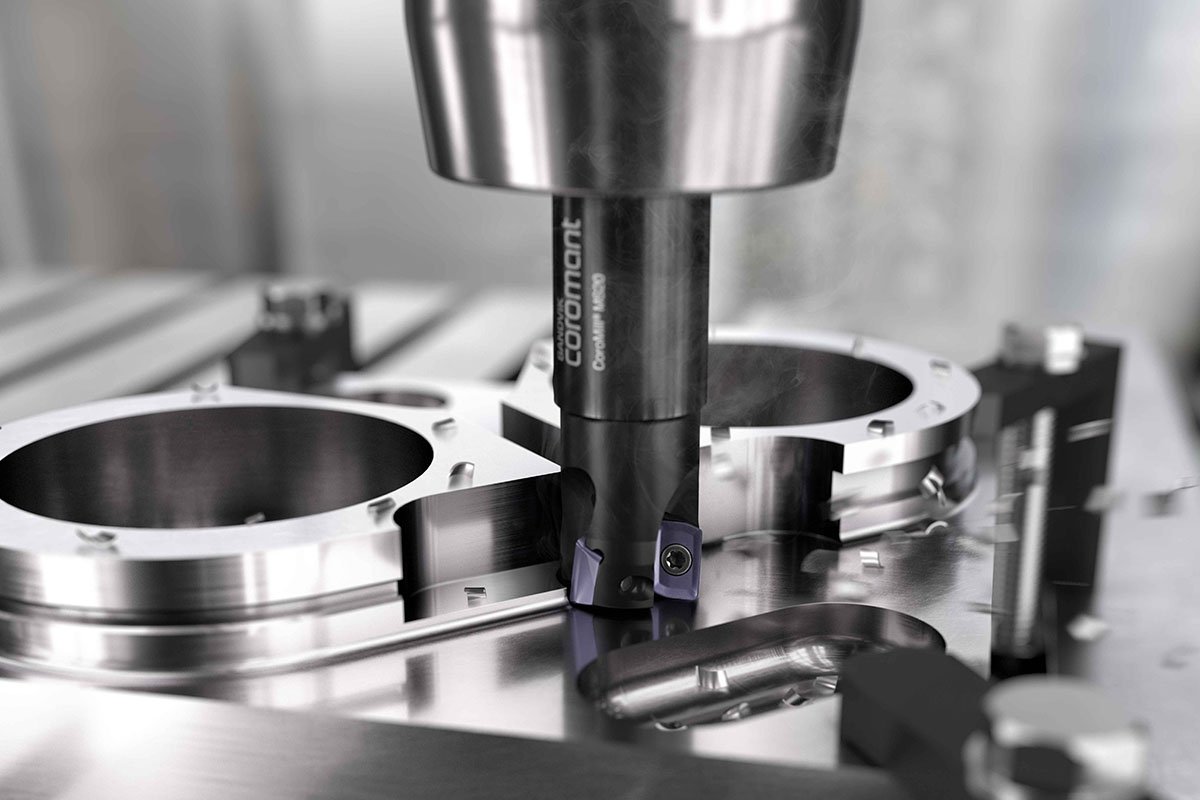
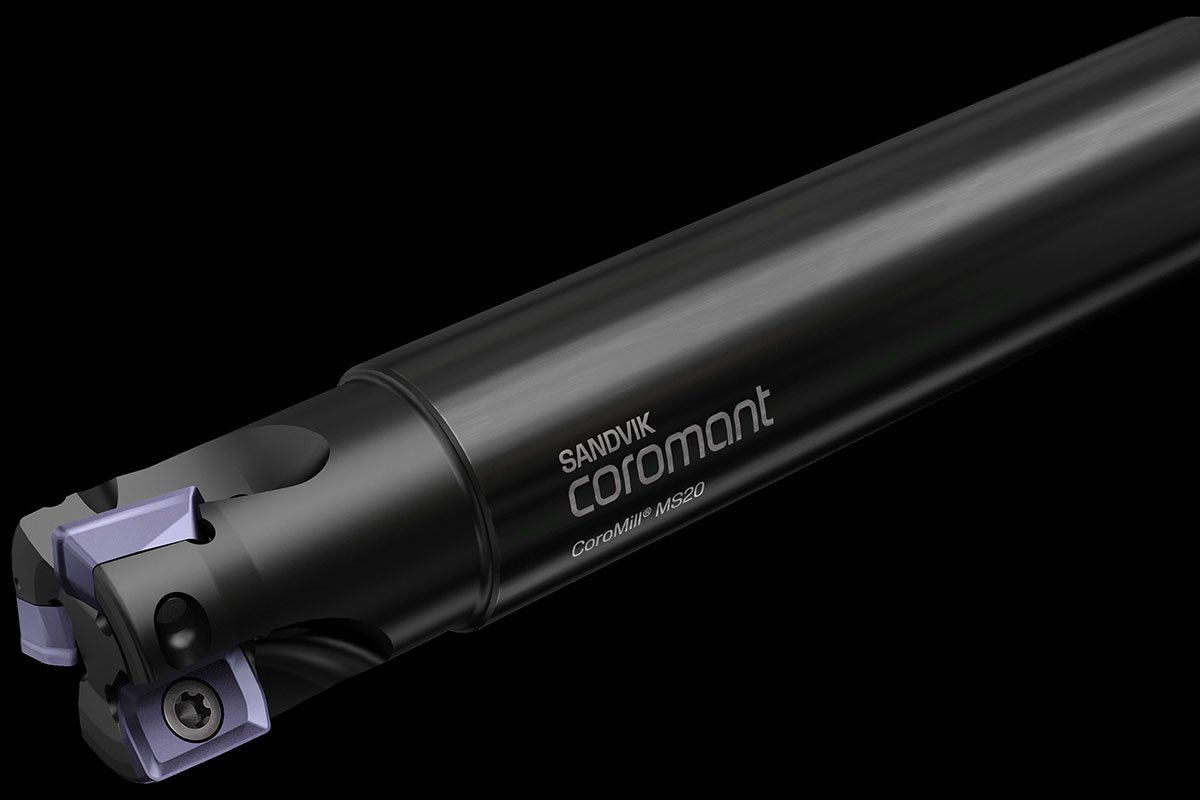
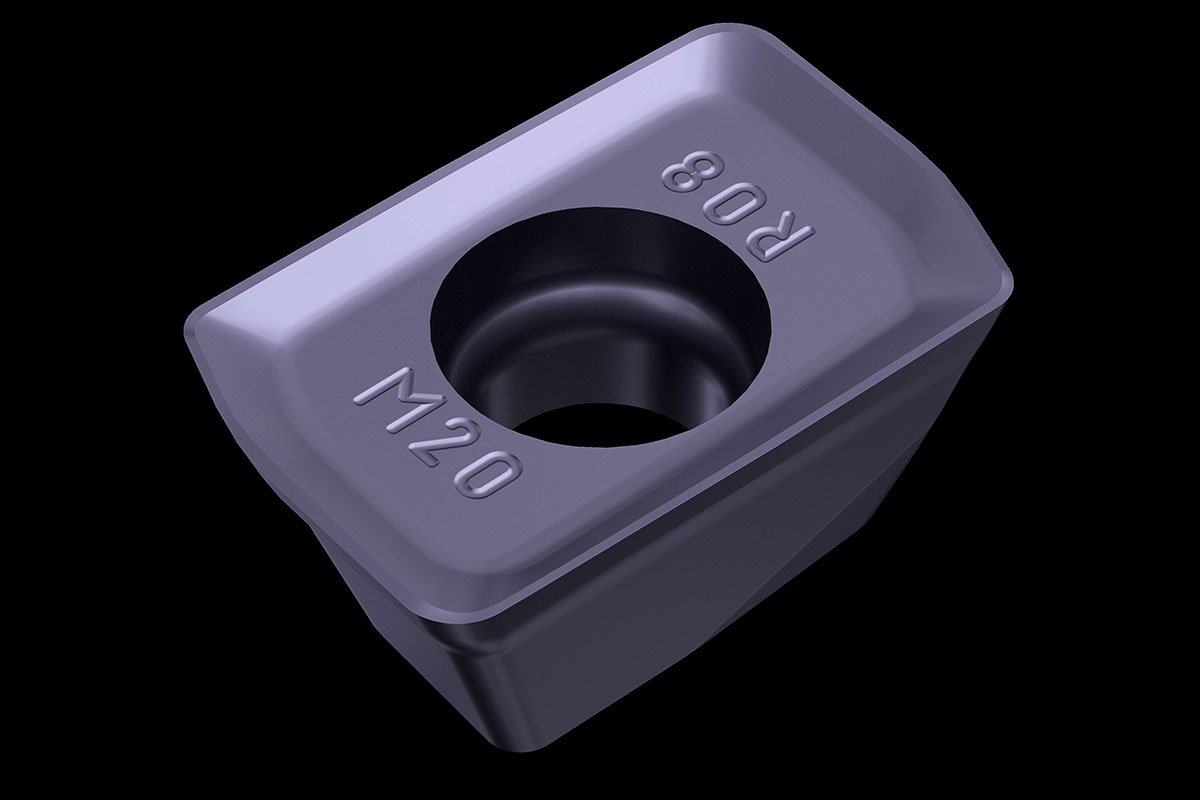
Sandvik Coromant, a world leader in metalworking and manufacturing solutions, will return to BI-MU 2026 from October 13 to 16, 2026, at Fiera Milano. The company's participation strengthens its position as a technology partner in the transition to connected, data-driven manufacturing. BI-MU 2026 is an international trade fair dedicated to the machine tool sector, bringing together professionals and decision-makers from across the manufacturing sector. The event serves as a key meeting point for presenting innovations in industrial manufacturing and advanced production technologies. As part of its renewed presence, Sandvik Coromant will be exhibiting in Hall 22, among the machine tool manufacturers, with a completely redesigned booth concept (Stand E10). The company will present a fully digital booth designed as an immersive experience, going beyond the traditional product display to focus on integrated solutions, software, data, and value-added services. The booth was designed as an interactive environment where visitors can interact through digital demonstrations, interactive screens, and displayed application examples. Rather than a conventional exhibition space, it will function as a technical consultation area designed to foster discussion, simulation, and a deeper understanding of manufacturing challenges and solutions. Through this approach, Sandvik Coromant aims to make digital and software-based manufacturing solutions more tangible and accessible, helping visitors explore how integrated technologies can improve performance and process control. A key focus will be CoroPlus® digital machining solutions, which will highlight how data-driven capabilities can support process optimization, improved tool and software integration, and greater control of manufacturing operations. The company will demonstrate how this approach enables manufacturers to improve productivity, operational efficiency, and process predictability. This evolution reflects Sandvik Coromant’s broader transformation from a tool supplier to a technology partner in connected manufacturing, supporting the development of digital and flexible manufacturing environments based on data, performance and process control. Additionally, Sandvik Coromant will participate in the BI-MU FutureTech competition, the official initiative that recognizes innovative solutions presented at the fair. This participation underscores the company's commitment to technological innovation, digitalization, and sustainability, and strengthens its position in the development of next-generation manufacturing. "BI-MU is an important opportunity for us to showcase our ongoing transformation and our focus on digital manufacturing solutions," said Antonio Principe, Sales Cluster Manager at Sandvik Coromant. "Our booth concept reflects our evolution from tool supplier to technology partner, helping customers connect data, processes, and performance." Visitors are invited to visit the Sandvik Coromant stand in Hall 22 to meet with experts and learn how connected and digital manufacturing solutions can support the transition to more efficient, data-driven production systems. Sandvik Coromant Together with our customers and partners, Sandvik Coromant is paving the way for a sustainable future, providing tooling solutions to mechanical industries worldwide. Over eighty years of field experience have allowed us to acquire a wealth of knowledge in the field of metalworking. This expertise transforms every challenge into an opportunity for innovation, collaboration, and cutting-edge solutions. Our goal is to create positive change by promoting sustainability, efficiency, and growth to shape a future where innovation thrives. Part of the global Sandvik industrial group, Sandvik Coromant is shaping the future together. For more information, visit www.sandvik.coromant.com or join the conversation on social media.
WEG and Nuova Ites implement WEGSCAN solution to improve efficiency Nuova Ites Srl, a leading European company specializing in the repair and overhaul of rotating electrical machinery, recently partnered with industrial equipment manufacturer WEG to improve operational monitoring of one of the key industrial motors at a cement plant. As part of its ongoing commitment to reliability and performance, Nuova Ites installed the WEGSCAN electric motor monitoring system, a cutting-edge solution developed by WEG to monitor motor performance and identify potential issues before they impact operations. Nuova Ites, a specialist in the repair and overhaul of rotating electrical machinery across Europe, with over 800 wind turbines fully serviced in collaboration with leading operators such as Vestas, Enel, and ERG Renew, identified the need for continuous motor monitoring in a high-load application. In this case, a 132 kW, 2-pole WEG special series motor was coupled to an Atlas Copco compressor, forming a critical component of the customer's production process. Performance and reliability in this mixed-equipment configuration were crucial, but visibility into the motor's condition was limited. To address this issue, WEG supplied and installed a complete monitoring solution consisting of the Cassia X2000 Gateway and the WEGSCAN 100 unit. Following a WEG technical visit to the Nuova Ites workshop in late 2025, the equipment was ordered and delivered in early January 2026. The system was configured on-site to meet the specific application requirements and integrated into the monitoring processes of both Nuova Ites and the cement plant. The WEGSCAN system is designed to support real-time monitoring of multiple operating parameters, including vibration signatures, temperature trends, and other mechanical and electrical health indicators. Its dual-access capability allows engineers to view data from a standard PC interface or smartphone, facilitating remote condition monitoring and immediate performance visibility. Supporting the monitoring infrastructure is the Cassia X2000 Gateway, which serves as the system's communications hub. The gateway enables reliable wireless connectivity between the WEGSCAN device and the wider network, ensuring that operating data from the engine can be transmitted and accessed in real time. Designed for demanding conditions, the gateway operates over a wide temperature range of −40 to 65°C, ensuring stable communication between sensors and monitoring systems in harsh operating environments. By acquiring continuous operational data, Nuova Ites is now able to identify early signs of abnormal behavior and proactively plan maintenance, helping to reduce unplanned downtime, optimize service interventions, and improve overall energy efficiency. This level of insight is particularly valuable in environments where the costs of downtime and reactive repairs are high. "For Nuova Ites, the monitoring system has become an essential tool in its service portfolio, helping to integrate condition-based maintenance into the standard workflow and offering customers greater reliability and full lifecycle support," said Fabrizio Arosio, Head of Drive and Automation Systems at WEG Italia. “With the ability to more closely monitor critical engines, the company is better equipped to anticipate problems, optimize maintenance planning, and provide data-driven insights that add measurable value to asset performance and business continuity.” Digital monitoring technologies like WEGSCAN also help make industrial operations more sustainable. By providing continuous information on engine performance under real-world operating conditions, operators can keep equipment closer to its optimum efficiency point. In energy-intensive industries like cement production, improving the efficiency and lifespan of critical rotating equipment plays an important role in reducing overall resource consumption and supporting more sustainable plant operations.
Designed for shipyards and steel construction, the CRX-3iA is carried in one hand and operates with the precision of a fixed arm. FANUC introduces the CRX-3iA collaborative robot, the lightest and most compact model in the entire CRX cobot range. Designed to be transported and ready for operation in minutes, it is aimed at all those applications where being able to move the robot quickly makes a real difference. Weighing just 11 kg, the CRX-3iA addresses a real need in industries such as shipbuilding and steel construction, where welders often work on enormous structures and must constantly move. The robot can be carried with one hand, positioned at a new work point, and is ready to go in seconds. This means a single person can manage multiple welding stations, a real advantage in a market that has long been plagued by a shortage of qualified welders. The 3 kg payload is sufficient to simultaneously handle the torch and the seam tracking sensor, while the repeatability of ±0.02 mm ensures the precision required for certain processes. After each move, the robot automatically detects its installation angle and, using a laser scanner or tactile sensor, locates the seam and plans its path autonomously. An optional magnetic base can be added to attach the robot directly to steel structures quickly and stably, eliminating much of the complexity of traditional robotic installations. The CRX-3iA is part of the CRX series, a range of FANUC cobots that can handle payloads of up to 30 kg and reach up to 1,756 mm, and integrates seamlessly with existing FANUC control systems and software. It also inherits wrist button technology: the operator can guide the arm and teach positions directly to the robot, without having to resort to a Teach Pendant, making programming faster and production changeovers less costly. Its application possibilities extend beyond welding. Its compact size and light weight make it suitable for AGV mounting for picking, line replenishment, and internal handling. It's also an attractive solution for training environments, where there's often no space for a traditional industrial robot. “Companies need automation that adapts to them, not the other way around,” says Vera Mariani, Business Development and Communications and Sales Coordinator Manager at FANUC Italia . “With the new CRX-3iA, we focused on ease of use, quick commissioning, and precision. Customers can bring automation where it's needed, without having to rethink the entire installation.” The new CRX-3iA cobot will be one of the protagonists of the Technovation Forum , the FANUC event open to all and dedicated to new technologies and automation which will be held on 18 November at the Lainate (MI) headquarters.

 Industriale.it certification