ITM INDUSTRY EUROPE 2026 - man at the heart of industry

Veröffentlichte die 18/09/2025
ITM INDUSTRY EUROPE 2026 - man at the heart of industry

Halls full of new products, robots working hand in hand with humans, huge machining centres working at full speed, experts exchanging experiences and ideas—this is what the ITM INDUSTRY EUROPE 2026 trade fair promises to be. This event has been setting the pulse of modern industry in Poland and the entire region of Central and Eastern Europe for years. The upcoming edition will be unique not only in terms of scale, but above all thanks to new initiatives and thematic zones. The starting point for creating the ITM 2026 concept is the belief that HUMANS are the driving force behind all technological changes, and the fair provides a space for close meetings of people connected by industry. 

The focal point of the programme will be the thematic areas that have been the heart of the ITM INDUSTRY EUROPE trade fair for years: AUTOMA, MACH-TOOL, WELDING and SURFEX.

The division into four exhibitions, referring to the historical names of the fairs that accompanied the ITM fair in the past, is, on the one hand, a nod to tradition and, on the other, a way to meet the expectations of our exhibitors. We heard from them in business conversations that they felt the need to identify more with a specific industry. It was the companies we have been cooperating with for years that inspired us to create EXHIBITIONS based on brands already established among our exhibitors and visitors. Of course, the name of the ITM trade fair remains unchanged—it is the umbrella brand of the entire industrial bloc. Just like the slogan: INNOVATIONS, TECHNOLOGIES, MACHINES, continues to define the core of this event, says Joanna Kucharska, Director of the Product Group of Grupa MTP.

Automa-one of the four pillars of the exhibition
The AUTOMA Automation, Robotics and Pneumatics Exhibition is a space where the largest suppliers of modern solutions in the field of industrial process automation meet. Visitors can expect to see an exhibition of industrial robots, cobots and the latest solutions in pneumatics and control. The return of the zones that have been enjoying great popularity will be a particular attraction for participants. One of them is Pneumat Game, where you can feel the spirit of competition and test yourself in the pneumatic version of classic slot machines. These emotions and competitions for the maintenance staff will also be present in the 2026 edition. The Collaborative Robot Zone will also return.

As the exhibitors recall, a unique atmosphere prevailed in these spaces.

Michał Pniewski, who represented Schmalz—the main partner of the Collaborative Robot Zone, emphasised that the common space created by the partners was not only a place for presenting innovative technologies, but also a platform for exchanging experiences.

Visitors came with specific needs, and the conversations at the stands were substantive and often concerned real implementation projects. For visitors, the zone was a place where they could see innovative technologies and the operation of collaborative robots live. Interactive presentations and the opportunity to ask detailed questions to experts meant that participants left the stand feeling that they had gained new, practical knowledge and found solutions tailored to their needs. We are also pleased with the excellent cooperation between the zone's partners—together we have created a professional and coherent space showcasing the real possibilities of cobots, says Michał Pniewski.

MACH-TOOL-the centre of working machines
One of the pillars of the fair will also be the MACH-TOOL Exhibition, a space dedicated to machine tools and tools. This is one of those places where industrial tradition meets its most innovative face. Visitors will be able to see large-scale machining centres, modern milling machines, lathes and numerically controlled grinders, as well as innovative cutting tools in action. Visitors will be able to see large-scale machining centres, modern milling machines, lathes and numerically controlled grinders in action, as well as innovative cutting tools and sheet metal processing technologies—from precision lasers and punching machines to press brakes and lines for bending and thermal cutting. This is where you will discover how advanced laser systems and process automation are revolutionising the metal industry, ensuring speed, precision and efficiency in production.

Exhibitors prepare numerous live shows, which have been a key element of this exhibition for years—the noise of machinery and the smell of coolant are elements that create a unique atmosphere in this part of the exhibition and show industry at its most tangible.

SURFEX-Exhibition of Surface Treatment Technologies
The latest solutions in the field of painting, galvanisation, thermo-chemical treatment, and protective and decorative coatings will be on display at the SURFEX Exhibition. Companies operating in this sector are announcing the launch of their flagship products, which allow for increased durability and quality of components while reducing the environmental impact of the processes. SURFEX is a space particularly eagerly visited by representatives of the automotive, household appliances, aviation and construction industries who are looking for technologies that extend the life cycle of key components in their production lines.

WELDING-welding innovations
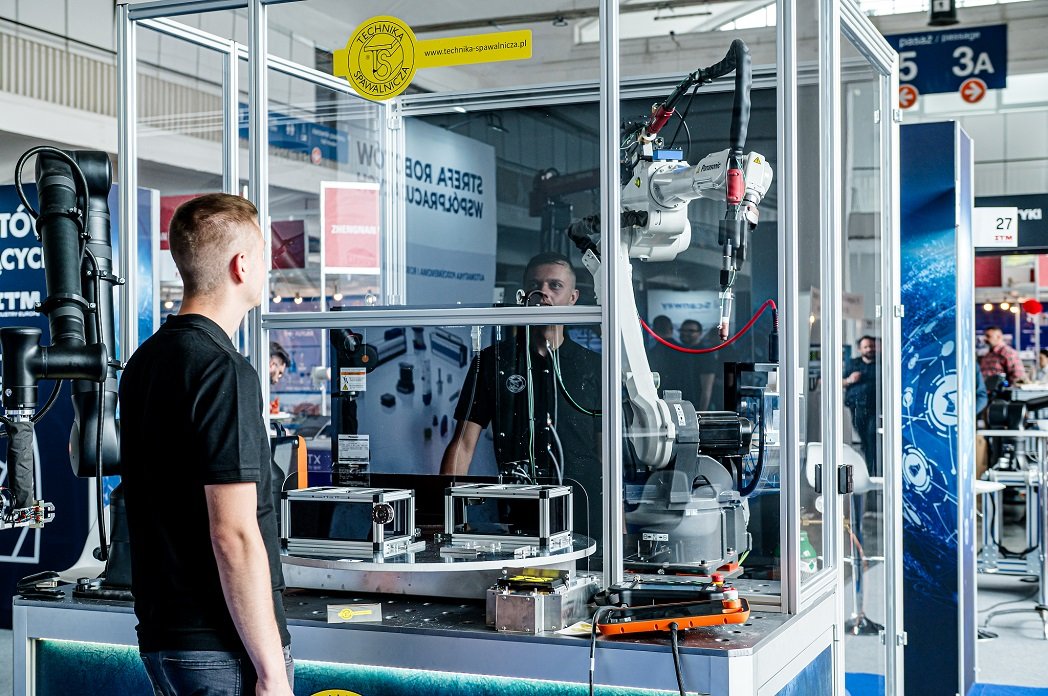
Exhibitors will present robotic welding stations, safety systems and solutions that revolutionise material joining processes at the WELDING exhibition—a place of welding innovations. This thematic space has been a place for intensive business talks for years, but also for practical presentations that attract both experienced welders and representatives of the technical staff of large production plants.

Demobuses and planned events
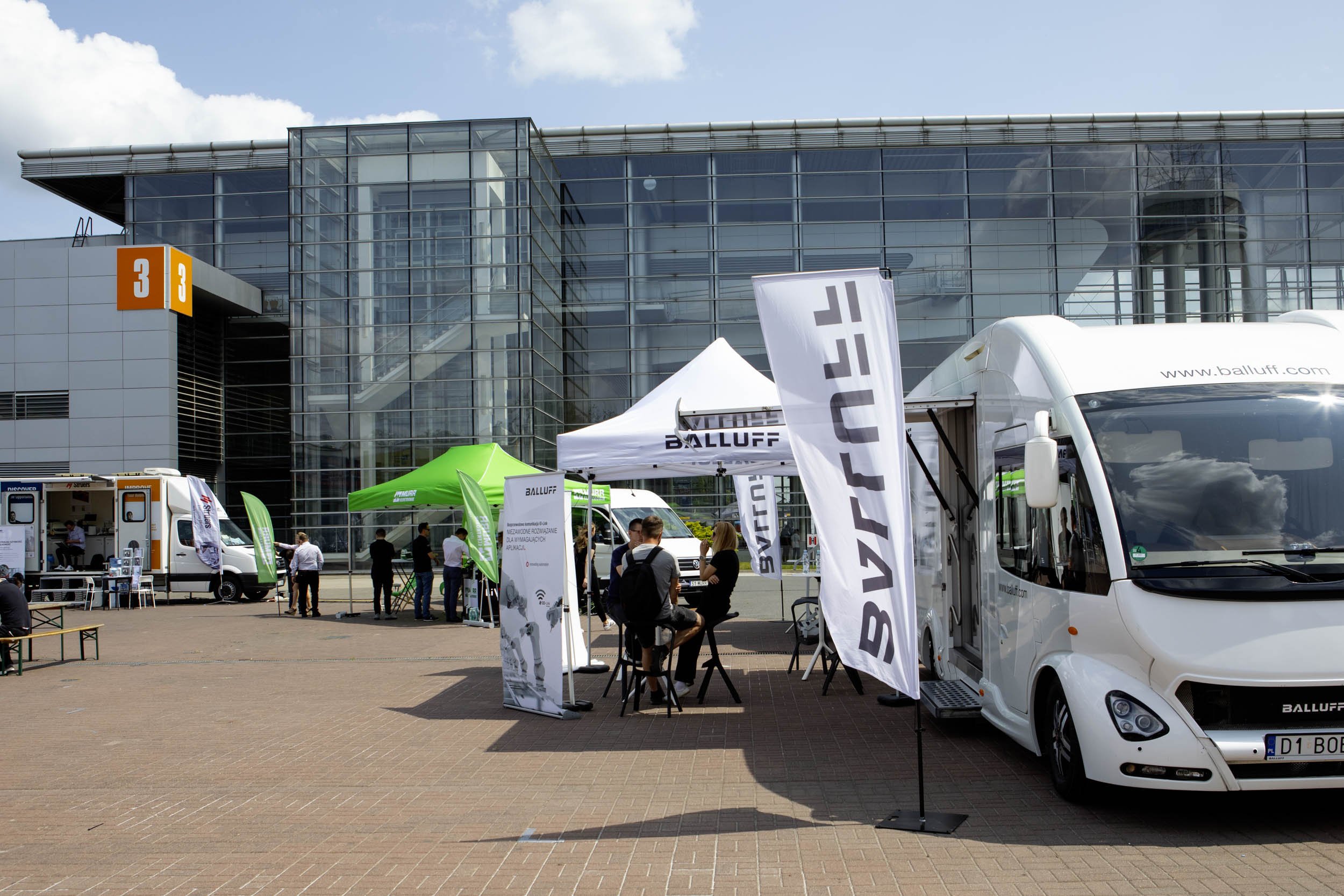
The DEMOBUS zone, which debuted during the ITM 2025 edition outside the exhibition halls, was very positively received by participants. The outdoor exhibition allowed for the presentation of industrial automation solutions in an accessible demonstration format, using specialised buses. The demobus zone is an interesting addition to the fair, and customers visited us with great interest. The most important condition is good weather, and this year it was perfect. The location was also perfect, as some people started or ended their day at the fair in the zone. The very form of presenting solutions is attractive and generates great interest, says Tomasz Dawid from Balluff.

In addition to the four main exhibitions, the organisers have also prepared several new programmes. In 2026, the following areas will debut: the Tool Zone, the Industrial Metrology Zone and the Industrial Application Zone, in which a special place will be occupied by companies offering solutions from the IT sector. There are also plans to prepare topics for the arms industry and launch certified training for narrow groups of recipients.

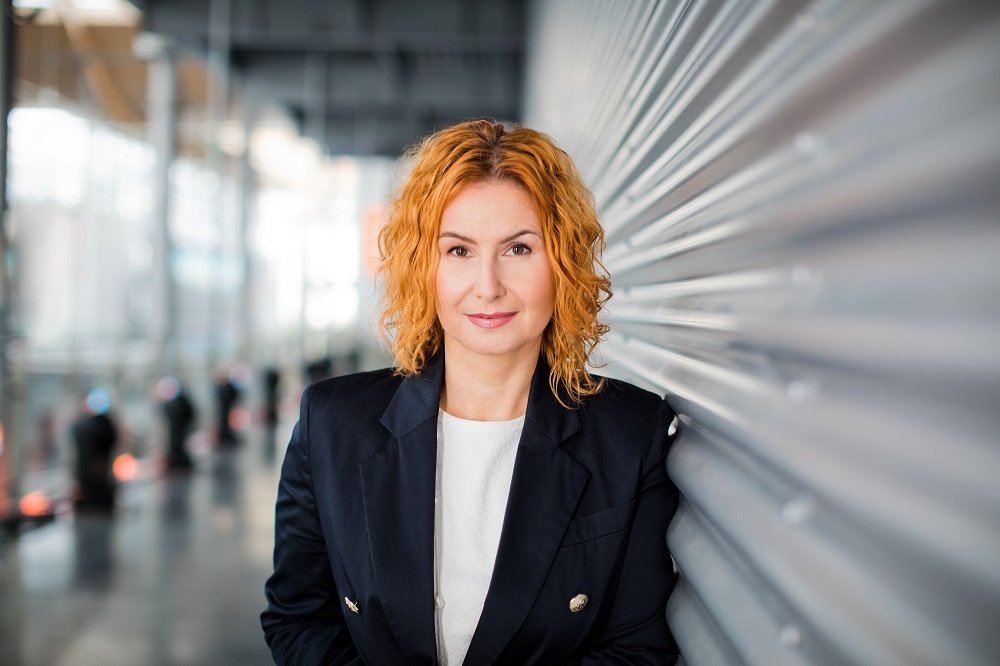
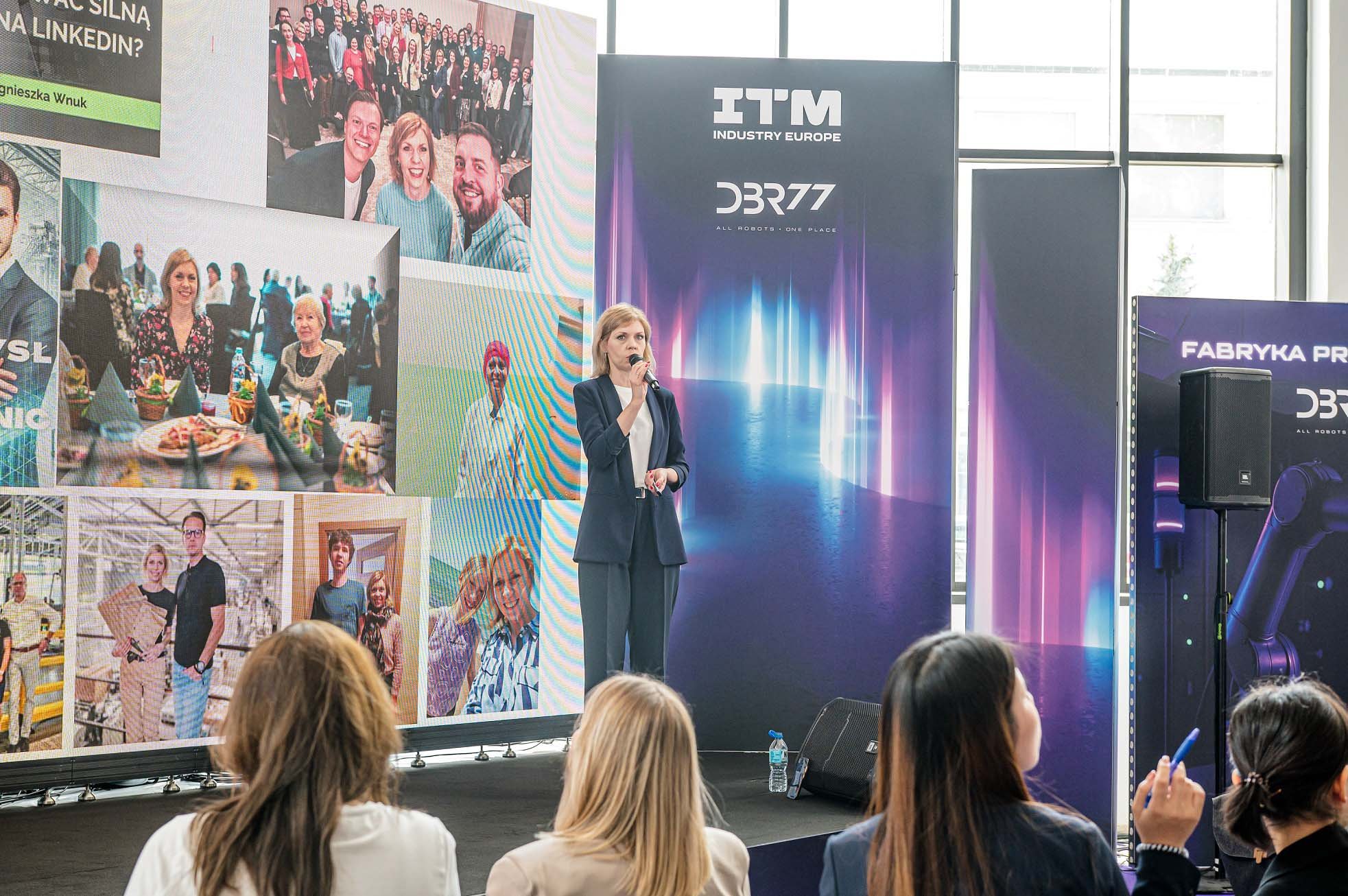
A strong highlight of the programme remains the 'Women Factories of the Future' conference, which in 2025 attracted a large group of participants and demonstrated that diversity and the role of women in industrial processes deserve a strong voice. The first edition of the 'Women Factories of the Future' conference proved to be a hit—it demonstrated that women in technical and industrial sectors not only support companies but actually co-create them. The best proof of this were the speakers who spoke with great power and authenticity on the DBR77 stage. Even though it was the first event of this type at the ITM trade fair, it attracted great interest. There's still a belief that the technical world belongs mainly to men—and we wanted to show that women also play key roles in it, says Agnieszka Wnuk, conference coordinator and B2B marketing expert.

The organisers, in cooperation with DBR77, are planning the next edition of the conference. Moreover, the prelude to this event will be a special edition of the popular LinkedIn Local meeting addressed exclusively to the industrial sector, scheduled for 9 October 2025 in Poznań. The partner of the meeting is the ITM INDUSTRY EUROPE trade fair. 

New graphic theme for the ITM trade fair
The 2026 edition also begins communication with a completely new graphic theme.

The starting point for the project was the assumption that humans are always at the centre of industry. They are the driving force behind change, the creators of innovation, and the guarantors that even the most advanced technologies and machines will not be created without human vision. The new identity, inspired by fingerprints, combines the symbolism of human individuality with an industrial character. We hope this will be a unique message for the entire industry, Joanna Kucharska reveals the secrets of the new concept.

A meeting that connects
ITM INDUSTRY EUROPE 2026 promises to be not only the largest, but also the most diverse industrial event in this part of Europe. Four days of trade fairs, hundreds of exhibitors and thousands of visitors will meet again in Poznań to discover modern technologies and solutions together. The organisers pay special attention to the trust of participants. The results of the satisfaction survey among those participating in 2025 confirm that nearly 85 percent of respondents would recommend the event to others, and over 85 percent declare their participation in 2026. The organisers' optimism is further strengthened by the latest market data. The eurozone manufacturing PMI stood at 50.7 points in July 2025, marking the first time in over three years that it has returned above the threshold of 50.

ITM INDUSTRY EUROPE will be held on 26-29.05.2026 on the fairgrounds of MTP Poznań Expo. The exhibition of the Modernlog and Subcontracting fairs will be available simultaneously.

Weitere Informationen: ITM Industry Europe
ITM INDUSTRY EUROPE 2026 - man at the heart of industry

Weitere Artikel, die Sie interessieren könnten

Amb 2026: collaborative processes drive automation

Central topic: Automation: Patrick Schwarzkopf (VDMA) discusses collaborative processes, artificial intelligence, and automation for SMEs using no-code solutions. As manufacturing companies strive to make their processes more efficient and flexible, automation solutions play a key role, especially in areas where people and machines are increasingly collaborating. AMB 2026 addresses this key topic with a practical approach and demonstrates how collaborative processes are evolving across the entire metal cutting process chain. In this interview, Patrick Schwarzkopf, Director General of the VDMA Robotics and Automation Association, analyzes the key factors driving this evolution and provides an overview of the developments companies should keep an eye on. Automation as one of the three central themes: Collaborative processes are gaining increasing importance AMB : The robotics and automation industry is forecasting a 5% decline in revenue by 2026; nevertheless, pressure on manufacturing companies to automate their processes continues to grow. Why is now the right time to focus on collaborative processes, and what factors are driving companies to take this step? Patrick Schwarzkopf : It's true, we're still observing a marked caution in investments, due to several reasons: from geopolitical tensions to the well-known challenges related to the competitiveness of production sites. However, the trend toward automation remains unchanged. Demographic change will become even more evident in the coming years; this will make it necessary to automate an increasing number of activities to support the remaining qualified personnel. Only in this way can we remain competitive. The interaction between humans and machines will be crucial. The extremely rapid development of artificial intelligence (AI), particularly generative AI and so-called physical AI, opens up new possibilities, for example through agent AI (Agentic AI) and through the much simpler use and programming of automation solutions. AMB : For a long time, automation was primarily designed for large-scale production. Today, however, robotic solutions are a viable option even for small series. How far has this evolution come, and what does a small business actually need to introduce automation into its production process? Patrick Schwarzkopf : Automation for SMEs is making enormous strides. Technological developments in recent years have been extraordinary and have significantly reduced the barriers to entry for small and medium-sized enterprises. Typical scenarios are "low volume, high mix," characterized by low production volumes and a high degree of product diversity. In these contexts, it is crucial that programming can be performed quickly, easily, and without significant staff effort. Numerous no-code solutions exist today for this purpose, requiring no programming knowledge. Automation workflows can be configured via graphical interfaces with drag-and-drop functionality, while robot trajectories can be taught through manual guidance (hand-guiding) and memorized at the push of a button. Major manufacturers have long been offering solutions specifically designed to meet the needs of SMEs. Pragmatic configurations, such as a robot working overnight, are often sufficient, thus enabling a significant increase in productivity. The obstacle is often less technological than cultural: many companies continue to believe that automation is inevitably too complex or too expensive. This belief is now obsolete, because solutions already exist and are easily observed at specialized trade shows like AMB. A useful reference point, for example, is Go4Robotics, the online platform of the International Federation of Robotics (IFR). AMB : As programming and operation become easier, direct collaboration between humans and robots is also becoming increasingly practical. Today, the two increasingly work side by side, without the need for protective barriers: it was precisely the development of AI-supported sensor systems that made this approach truly feasible. What concrete changes does all this mean for the shop floor, and how should companies rethink processes and the role of people? Patrick Schwarzkopf : Collaborative robots (cobots) are now well established. In many applications, however, the term "coexistence" is more accurately used: humans and robots operate without barriers, enabling direct and safe interaction. We are now seeing a further level of even closer collaboration with humanoid robotics. AI is making extraordinary progress in this area: robots are increasingly capable of interpreting their surroundings and acting autonomously and appropriately. Although significant pioneering work is still needed, humanoid robots are gradually emerging from research laboratories and are already finding their first experimental applications in industrial settings. It will still be some time before this technology reaches full maturity for widespread use. At the same time, however, humanoid robotics is accelerating the evolution of close human-machine interaction, for example through the ability to communicate verbally with robots. AMB : Many of these developments are best appreciated by observing them live. In September, AMB will bring together the entire metalworking ecosystem in Stuttgart: manufacturers, users, and researchers under one roof. What contribution can this unique combination make to the wider adoption of collaborative automation? And why is a visit to the trade fair essential for all metalworking companies considering the introduction of automation solutions? Patrick Schwarzkopf : A look at the data clearly highlights its significance: according to the International Federation of Robotics (IFR), machine tending—the automatic loading and unloading of workpieces on machine tools—is one of the main applications of robotics. Over the past decade, new annual installations of robots for handling tasks on machine tools have increased from 14,500 in 2015 to 19,000 in 2024. Preliminary data from the IFR indicate that the trend will continue with significant, double-digit growth in 2025. The use of collaborative robots (cobots) has also increased significantly in recent years: in 2024, approximately 65,000 cobots were installed worldwide, representing 12% of all industrial robots. The most significant increases are being seen in mobile robotics, which enables the flexibly connecting different production machines, for example through mobile manipulators, i.e., mobile platforms equipped with a robotic arm. It's hard to find such a comprehensive, focused, and industry-specific overview as that offered by a specialized trade fair. At AMB, you can see and experience firsthand the automation solutions for metalworking by chip removal. AMB : Thank you for the interview, Mr. Schwarzkopf. Focus on automation at AMB 2026 in the Oskar-Lapp-Halle (Hall 6) Automation will be a key focus at AMB 2026 in nearly every exhibition hall: from machine tool manufacturers with automation systems to solutions for tools and clamping technology, such as automatic setup. A special highlight will be the Oskar-Lapp-Halle (Hall 6), which will house the "Automation and Handling Technologies" area. Numerous exhibiting companies—including FANUC, KUKA, Cellro, RoboJob, Wassermann Technologie, and many others—will present their latest solutions for production and process management. It's worth checking out the exhibitor list, as here, trade visitors can experience firsthand how robotics, collaborative automation, Industry 4.0 approaches, and the IIoT (Industrial Internet of Things) are evolving metal-cutting processes, introducing new solutions and driving innovation in the industry. About AMB Since 1982, AMB has presented the highlights of the international metalworking industry. "Where Metal Comes Alive" will once again be a fixture on the industry's agenda in 2026, this year from September 15 to 19. It is the international marketplace and meeting place for metalworking, showcasing the latest products, technologies, innovations, services, and concepts in all their facets. AMB is supported by the VDMA Präzisionswerkzeuge (Precision Tools), VDMA Software and Digitalization (Software and Digitalization), and the VDW Verein Deutscher Werkzeugmaschinenfabriken e.V. (German Machine Tool Builders' Association).

09/07/2026 Mehr lesen

Ucimu assembly: in 2026 the italian machine tool, robot and automation manufacturing industry is exp

2025 proved to be a generally weak year for the Italian machine tool, robot, and automation manufacturing industry, with production essentially stagnating compared to the previous year. This disappointing result was driven by the sharp decline in exports. Domestic market activity fared better, driven by the recovery in demand, but despite double-digit increases, figures were still far from 2021-2022 levels. Despite this, the Italian industry in the sector confirmed its position, once again, as a major player on the international scene, ranking fifth in the world for production and consumption and fourth in exports. Forecasts for 2026 predict a modest recovery driven by improved collection performance on the domestic market, thanks in part to the availability of the Hyper-Depreciation program. Activity abroad remains weak. This, in short, is the framework outlined by Riccardo Rosa, President of UCIMU-SISTEMI PER PRODURRE, during the Shareholders' Meeting. The meeting was attended by Barbara Cimmino, Vice President of CONFINDUSTRIA for Exports and Investment Attraction, and Paolo Magri, President of the ISPI Scientific Committee. Both were moderated and interviewed by Rita Querzè, a journalist for Il Corriere della Sera. This was followed by a discussion between two young entrepreneurs, Luca Dadone and Elisa Stucchi, who shared their vision for innovation, using AI and augmented reality applied to the manufacturing world. Over 150 guests attended, including entrepreneurs and managers from the sector, institutional representatives, and journalists. THE 2025 FINANCIAL STATEMENTS According to the final data processed by the UCIMU Study & Business Culture Center, in 2025, Italian production of machine tools, robots, and automation systems reached 6,391 million euros, up 1% compared to 2024. Exports saw a significant decline, dropping 12% to €3,760 million. The export-to-production ratio fell to 58.8%, compared to 67.5% in 2024. In 2025, the main outlet markets for Italian offerings were: United States (572 million, -9%), Germany (274 million, -24.9%), France (204 million, +0.2%), Poland (188 million, +11.2%), Turkey (168 million, -11.5%), India (164 million, -11.6%), Mexico (158 million, -10%), Spain (147 million, -6.5%), China (110 million, -54.1%), Brazil (84 million, +15.9%). After two years of decline, Italian manufacturers' domestic deliveries returned to growth, reaching €2,631 million, up 28.1% from the previous year. This performance was driven by the recovery in domestic consumption, which rose 22.3% to €4,534 million. Imports stood at 1,903 million euros, up 15.1% compared to 2024. The share of domestic consumption covered by foreign supplies fell by three percentage points to 42%. Production capacity utilization declined, with the annual average falling from 77.3% in 2024 to 76.5%. The same trend was observed for the order book, which stood at 6.3 months of guaranteed production, compared to 6.5 months in 2024. The sector's turnover stopped at 9,330 million euros. THE 2026 FORECASTS According to forecasts developed by the UCIMU Study & Business Culture Center, 2026 will see a slight recovery in the Italian machine tool, robot, and automation manufacturing industry. All indicators will return to positive territory, but increases will still be limited. Production will reach €6.64 billion (+3.9%). Exports will remain at the previous year's level, reaching €3.785 billion (+0.7%). The positive trend in domestic deliveries by manufacturers will continue, expected to grow by 8.5% to €2,855 million, driven by Italian demand, which is expected to reach €4,870 million (+7.4%). Imports will also show a positive trend, reaching 2,015 million (+5.9%). THE ITALIAN MACHINE TOOL INDUSTRY BETWEEN GEOPOLITICAL INSTABILITY AND INCENTIVES Riccardo Rosa, president of UCIMU-SISTEMI PER PRODURRE, stated: "2025 was an overall disappointing year for Italian machine tool manufacturers, who had to contend primarily with a sharp decline in export sales. On the other hand, despite the recovery, domestic market activity was also unsatisfactory, partly due to the chaos surrounding Transition 5.0." "On the international front, geopolitical instability has made the activity of the sector represented by UCIMU particularly complicated, as foreign markets are the main outlet for its production." "That said, the events of recent years have subjected our businesses to a continuous stress test, training them to operate in unprecedented business conditions. For this reason too, " continued Riccardo Rosa, " we note that not everything that happens, directly connected to our world, impacts our business in the same way." DUTIES "The tariffs introduced by the Trump administration have had a manageable impact for us. The data shows it: in 2025 ," stated Riccardo Rosa, " sales in the United States are expected to drop by 9%. But the US remains, by far, the primary market for Made in Italy products in this sector. This is possible for several reasons: first, the United States does not have sufficient local production to cover domestic consumption and requires advanced, highly customized technology; furthermore, at this particular moment in history, the defense sector, a strategic sector for the country and therefore exempt from paying duties, is experiencing fairly buoyant demand. These three factors have allowed, and continue to allow, Italian manufacturers to continue operating in the American market, which has always appreciated the characteristics of our offering." "This doesn't mean ," the president added, " that the critical issues have been eliminated. For the types of machinery also produced by American manufacturers, the tariff is clearly a heavy burden that has limited sales of Made in Italy products in this sector. But that's not all. Trump's trade policy has had some significant indirect effects; for example, the increased cost of some raw materials applied by other countries in response to the tariffs, an increase that also impacts our business." EUROPE AND THE AUTOMOTIVE INDUSTRY "Managing the impact of wars and the weakness of a key market like Europe has proven more complicated. In the case of wars, the most obvious example for us manufacturers is the disappearance of Russia from our radar. In 2013, before the invasion of Crimea and the first sanctions, it was our fourth-largest export market, with €177 million in exports. In 2022, it was our eighth-largest destination market (with €99 million). Since 2023, it has been absent and, more importantly, it is a market we have given away to Chinese manufacturers. Who knows if, once this wound at the heart of Europe is healed, we will be able to recover at least some of the lost ground." "And speaking of Europe ," stated Riccardo Rosa, " we are dangerously approaching the risk of deindustrialization. The absolutely questionable decisions made by EU authorities regarding the electric automotive transition are increasingly showing their concrete effects. At a time when the younger generations' concept of transportation is profoundly changing, with the car no longer considered a status symbol but a means of travel, European government bodies, with their dirigiste attitude, have effectively allowed Asian offerings to invade spaces previously reserved for our manufacturing sector. Before the effects become irreversible, we ask those who represent and govern us in Europe to rethink their approach, which must be based on the principle of technological neutrality, thus allowing the automotive supply chain, and its entire extensive supply chain, to properly manage the ongoing transition not only with respect for the environment but also, where possible, safeguarding the jobs of those employed in the industry." "Aside from the car to which it is so closely tied, Germany, the sick man of Europe, may be seeing the light at the end of the tunnel. In the first quarter of 2026, the machine tool orders index, compiled by the German association, rose 15.1%, breaking a negative trend that had lasted three consecutive years. The recovery plan promoted by Chancellor Mertz and the defense support plan are restoring confidence in the country. Let's hope this is indeed the case, because if the German locomotive restarts, we, the first carriage of this train, are ready to hook up to it and continue working in the Made in Germany production chains, which travel along very long routes, distributing our production everywhere in the world." THE HORMUZ CRISIS "While we await the terms of the agreement and are aware that it will take time for freight transit to resume its normal pace, the impact on our business is currently manageable, and we are confident that the easing of tensions in the Middle East will bring significant benefits to our companies. In terms of direct business, the region accounts for approximately 30% of exports to Asia, so a return to "normalcy" will boost our business in the region, where metal forming technologies are in particular in demand in response to major infrastructure development plans. Indirectly, the resumption of freight transit will allow for a gradual reduction in procurement costs, which have risen sharply in recent months." THE ITALIAN MARKET AND INCENTIVES "In a crucial moment like the one we are experiencing, with decidedly weak foreign demand, the domestic market becomes even more important for our companies. The availability of the Hyper-Depreciation measure provided for by the new Transition Plan 5.0, now fully operational, is an excellent tool to support Italian demand for new machine tools." We must say that 2026 had started off on a really challenging note: domestic order intake had dropped significantly, 29% compared to the January-March 2025 period. However, the feeling was that demand had stalled. In this first month of Hyper-Depreciation, with the GSE Platform now operational, we've already seen a shift in attitude among our Italian customers. This confirms what we've been saying for some time: Italian demand is there, but customers were waiting for clarity before they could place their orders. The incentive is now working. On the sidelines of the Mechanics Roundtable convened by the Ministry of Business and Made in Italy at the end of June, it emerged that 90% of the total resource reservation requests entered into the platform were for investments in machine tools. Good news! MIMIT deserves recognition for having developed, albeit belatedly, an easy-to-use, three-year measure. Finally, Italian companies have an industrial policy measure that allows for medium-term planning for both producers and investors. The hope is that its use will allow Italian demand to return to the high levels of 2021-2022, thus also ensuring the proper updating of our industry, which requires continuous innovation to remain competitive in the international market, where digital technology and AI are redrawing the rules of the game.

09/07/2026 Mehr lesen

Jimtof 2026

From October 26 to 31, the 33rd edition of JIMTOF, an international exhibition dedicated to the machine tool sector and considered one of the world's leading international technology fairs, will take place at Tokyo Big Sight. Covering an area of ​​118,540 square meters, there will be 944 exhibitors at a total of 4,423 booths, including 725 Japanese and 219 international, organized by product category. The exhibitor list is published online on the official website www.jimtof.org. The previous 2024 edition attracted 162,670 visitors. Manufacturing professionals, by registering in September on the trade fair website, will be able to experience firsthand and gather information on the most innovative technologies, from machine tools to accessories. JIMTOF 2026 will feature metal cutting and forming machine tools, machine tool accessories, cutting and wear-resistant tools, diamond and CBN tools, grinding wheels and abrasives, gears and gearing devices, hydraulic, pneumatic, and hydraulic machinery, precision measuring machines and instruments, optical measuring instruments, testing machines, and CAD/CAM. JIMTOF has been a highly popular event that has been held every two years for over fifty years, a well-established trade fair renowned for its ability to provide visitors with information on a wide range of products used in the manufacturing industry. by Marinella Croci

06/07/2026 Mehr lesen
Abonnieren Sie unseren Newsletter
Um über die neuesten Nachrichten der Industriewelt auf dem Laufenden zu bleiben
Kontaktieren Sie uns
Image Newsletter Lindustriale
Dati Legali

L'industriale s.r.l.
P. IVA: 12212870153
Codice Fiscale: 12212870153

Sede Legale

Via Carlo Dolci, 32
20148 Milano (MI)
Italy

Registro Imprese

Iscrizione R.I.: 12212870153
REA: MI-1539011
Capitale sociale: Euro 10.400,00 i.v.

Top
This website is protected by reCAPTCHA, therefore the Google privacy policy and terms of service apply.